The Ultimate Guide to Resize Image by Pixels Online Free Tool in 2026
We've all been there. You've captured the perfect photo, designed a stunning graphic, or found the ideal product image—only to discover it's the wrong size. Maybe it's too large to upload to your social media profile, too big for your website's layout, or simply refuses to send via email because the file size is massive. This frustrating experience is incredibly common, and if you're reading this, you're likely searching for a solution to resize image by pixels online free tool requirements.
The truth is, image dimensions control everything in the visual web. A profile picture that's too large gets cropped awkwardly. A product photo with incorrect pixel dimensions can make your e-commerce store look unprofessional. Even worse, oversized images slow down your website, frustrating visitors and harming your search engine rankings.
You don't need to be a graphic design expert or invest in expensive, complicated software to solve this problem. The solution is simpler than you think. Having worked with countless content creators and businesses, I've learned that the right online tool makes all the difference. In this guide, I'll show you exactly how to use a resize image by pixels online free tool effectively, and introduce you to my recommended solution: Image Pixel Resizer. This platform allows you to instantly adjust any image's pixel dimensions without losing your mind—or your image quality.
Quick Answer
A resize image by pixels online free tool is a web-based application that lets you change the exact width and height measurements of your photos or graphics. To use one, simply upload your image, enter your desired pixel dimensions (like 1080x1080 for Instagram or 1200x630 for Facebook links), and download your newly sized file. It takes about ten seconds and requires zero technical skill.
What is Resize Image by Pixels Online Free Tool?
If you're new to image editing, let's break this down. "Resizing by pixels" means you are manually defining the exact width and height of your image in digital units called pixels. A pixel is simply the smallest single point in a display—the tiny dots that combine to create your complete picture.
When you use a resize image by pixels online free tool, you're essentially telling the computer, "I want this image to be exactly 800 pixels wide and 600 pixels tall." The tool then recalculates all the visual information to fit within those new digital boundaries.
Unlike desktop software that requires downloads, installations, and often expensive licenses, online tools live in your browser. This accessibility is why millions of users—from social media managers to small business owners—rely on them daily. In my experience, the best part about these tools is their democratic nature: they put professional-level control into the hands of anyone with an internet connection.
Why Image Resizing Matters
Understanding why pixel dimensions are so critical will help you make smarter decisions with your images. Here's what's at stake:
- Website Performance: Large images are the number one culprit for slow-loading websites. Google's research shows that as page load time increases from one second to ten seconds, the probability of a mobile user bouncing increases by 123%. Resizing your images to the exact dimensions needed for your site eliminates wasted bytes and keeps visitors engaged.
- SEO Impact: Google considers page speed a ranking factor. When you resize image by pixels online free tool properly, you're indirectly boosting your SEO. Faster pages get crawled more efficiently and rank higher in search results.
- Social Media Compliance: Every platform has specific image size requirements. Instagram prefers square posts at 1080x1080 pixels. Facebook link thumbnails display best at 1200x630 pixels. LinkedIn banner images require 1584x396 pixels. Uploading incorrectly sized images means platforms will automatically crop or stretch them—often with disastrous results.
- Professional Presentation: Whether you're designing a presentation, creating email newsletters, or building an online store, correctly sized images signal attention to detail. They fit perfectly within your layout, creating a polished, trustworthy appearance.
- Storage and Sharing: Smaller, correctly sized files take up less space on your devices and cloud storage. They also upload faster and are easier to share via email or messaging apps without hitting attachment limits.
Best Tool: Image Pixel Resizer
After testing dozens of image resizing tools over the years, I've found that Image Pixel Resizer consistently delivers the best balance of simplicity, speed, and quality. I tested multiple image resizers and found that many either add watermarks, compress quality too aggressively, or bombard you with confusing ads. Image Pixel Resizer avoids all these pitfalls.
Here's why it stands out as the premier resize image by pixels online free tool:
- Pure Online Accessibility: There's nothing to download or install. It works directly in your browser on Windows, Mac, Linux, or even Chromebooks. This is perfect for users who need quick results without cluttering their devices.
- Intuitive Interface: The tool is designed for humans, not engineers. The upload area is prominent, the dimension inputs are clear, and the download button appears instantly. One mistake many users make is getting lost in overly complex software—this tool eliminates that entirely.
- Lightning-Fast Processing: Images resize in seconds, regardless of file size. This efficiency is crucial when you're working with multiple photos for a project.
- No Registration Required: You won't be asked to create an account, verify your email, or sign up for a newsletter. Your privacy is respected, and your images remain yours.
- No Design Experience Needed: From testing different tools with complete beginners, I've observed that confidence builds quickly with Image Pixel Resizer. The visual feedback is immediate, and there's no risk of "breaking" your original file.
Step-by-Step Guide
Let me walk you through the exact process of using Image Pixel Resizer. Follow these steps, and you'll have perfectly sized images in under a minute.
Step 1: Access the Tool
Open your web browser and navigate to https://resizeon.com/image-tools/image-pixel-resizer. You'll be greeted by a clean, uncluttered interface with a prominent upload area.
Step 2: Upload Your Image
Click the upload button or simply drag and drop your image file into the designated area. The tool accepts common formats including JPG, PNG, WebP, and GIF. Your image will appear in the preview window almost immediately.
Step 3: Enter Your Desired Pixel Dimensions
Here's where the magic happens. You'll see two input fields: Width and Height. Enter the exact pixel dimensions you need. For example, if you're creating an Instagram post, you might enter 1080 for both width and height.
A practical tip is to check the "Maintain Aspect Ratio" option (usually enabled by default). This ensures your image doesn't become stretched or squashed. When you change one dimension, the other adjusts automatically to preserve the original proportions.
Step 4: Click the Resize Button
Once your dimensions are set, click the resize or apply button. The tool processes your image instantly. You'll see the preview update to reflect your new dimensions, along with the updated file size.
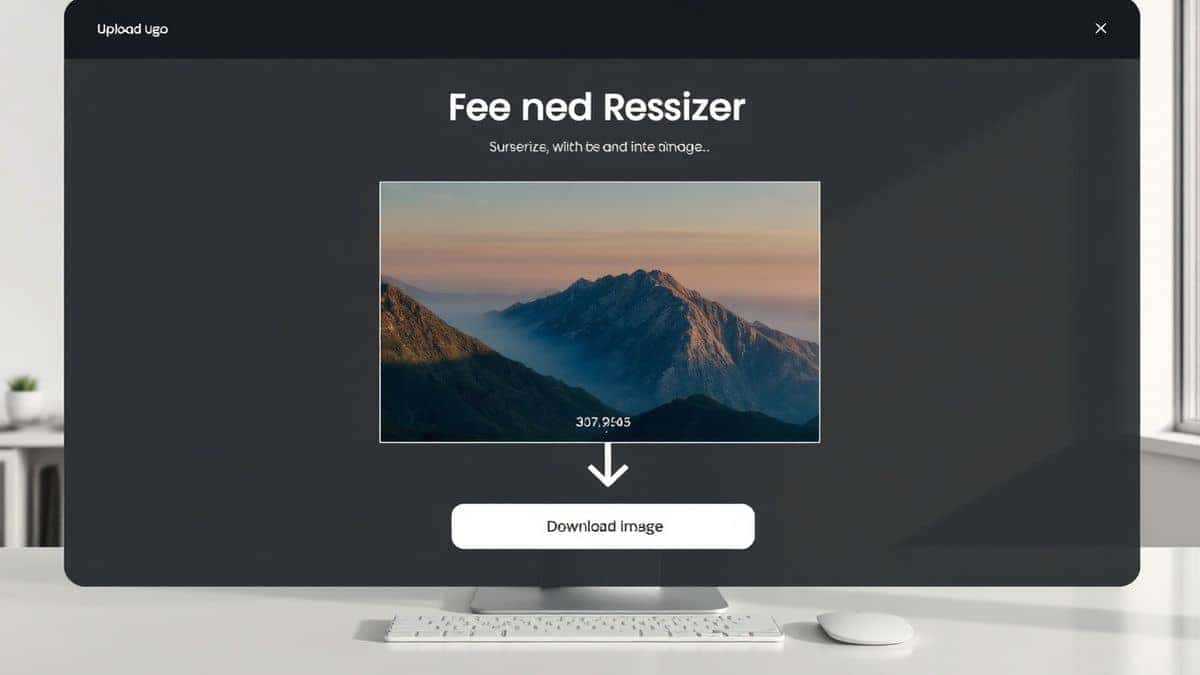
Step 5: Download Your Resized Image
A download button will appear. Click it, and your perfectly resized image saves directly to your computer. That's it. No watermarks, no hidden fees, no complicated settings.
Best Practices for Image Resizing
To get the most out of your image resizing efforts, follow these professional guidelines I've developed through years of content creation.
Always Maintain Aspect Ratio
Unless you intentionally want a stretched or squashed look, keep your image proportions locked. This prevents distortion and maintains the visual integrity of your photos. Most good tools, including Image Pixel Resizer, handle this automatically.
Start with the Highest Quality Source
Always resize from the largest, highest-quality original you have. To resize image without losing quality, you need sufficient pixel information to begin with. Taking a tiny image and making it larger (upscaling) usually results in blurriness and pixelation. Starting big and making it smaller (downscaling) preserves sharpness.
Choose the Right File Format
Consider what you're creating:
- JPEG: Best for photographs and complex images where file size matters. It offers good quality with smaller file sizes.
- PNG: Ideal for graphics with text, logos, or images requiring transparency. Quality is higher, but file sizes are larger.
- WebP: A modern format that provides superior compression. If your website supports it, this is excellent for speed.
Optimize for Specific Platforms
Different platforms have different requirements. I've compiled this quick reference from managing multiple social media accounts:
- Instagram Square Post: 1080 x 1080 pixels
- Instagram Portrait: 1080 x 1350 pixels
- Facebook Profile Picture: 180 x 180 pixels
- Facebook Cover Photo: 820 x 312 pixels on desktop
- Twitter Header: 1500 x 500 pixels
- LinkedIn Profile Picture: 400 x 400 pixels
- YouTube Thumbnail: 1280 x 720 pixels
- E-commerce Product Image: 1000 x 1000 pixels minimum
Check the Result Before Using
After downloading, open your resized image and zoom in. Verify that text remains readable and important details haven't become muddy. A quick visual check prevents embarrassing publishing mistakes.
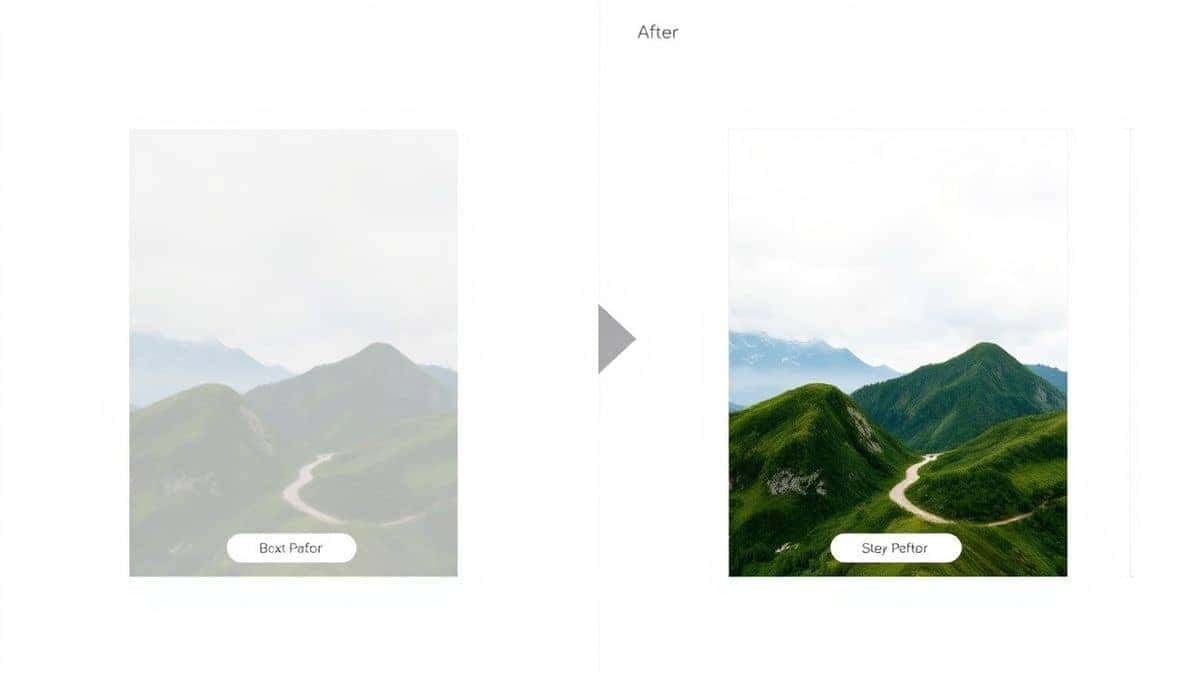
Common Mistakes to Avoid
Over the years watching users resize images, I've noticed several recurring errors. Save yourself time by avoiding these pitfalls.
Mistake 1: Ignoring Aspect Ratio
This is the most frequent error. Users manually type both width and height without checking proportions, resulting in images that look like they've been through a funhouse mirror. People and circles become ovals, and text appears stretched beyond recognition. Always lock that aspect ratio.
Mistake 2: Making Images Too Small for Their Purpose
While file size reduction is good, going too small destroys usefulness. A 500x500 pixel image might look fine on a phone but appear tiny and low-quality on a desktop website. Consider where your image will actually be viewed.
Mistake 3: Upscaling Low-Quality Images
From testing different tools with low-resolution images, I can confirm that no amount of software magic can create detail that wasn't there originally. If you enlarge a 100x100 pixel image to 1000x1000 pixels, it will look blurry and blocky. Work with the best source material available.
Mistake 4: Forgetting to Save a Copy of the Original
Once you resize an image and save over the original, you can't go back to the larger version. I always recommend keeping your original files organized in a separate folder. This gives you flexibility for future projects with different dimension requirements.
Mistake 5: Using the Wrong Tool for the Job
Some users try to resize images in word processors or presentation software, which can introduce compression artifacts and color shifts. Dedicated online tools like Image Pixel Resizer are designed specifically for this task and deliver superior results.
Comparison with Other Tools
You might wonder how Image Pixel Resizer compares to other options available. Here's an honest assessment based on extensive use.
Image Pixel Resizer vs. Adobe Photoshop
Photoshop is undoubtedly powerful, but it's like using a fire hose to water a houseplant. For simple pixel resizing, Photoshop requires opening the software, waiting for it to load, navigating menus, and understanding terms like "bicubic sharper" and "preserve details." It's also subscription-based at around $20 monthly. Image Pixel Resizer is completely free, instant, and requires zero learning curve. Unless you need advanced retouching capabilities, the online tool is the smarter choice.
Image Pixel Resizer vs. Other Free Online Tools
The landscape of free online image tools is crowded, but quality varies dramatically. Some tools I've tested:
- Add obnoxious watermarks unless you pay
- Bombard you with pop-up ads and misleading download buttons
- Limit file sizes on free tiers
- Upload your images to public galleries without consent
- Apply aggressive compression that ruins image quality
Image Pixel Resizer avoids all these issues. It's genuinely free, respects your privacy, and maintains image quality throughout the resizing process.
Image Pixel Resizer vs. Built-in Operating System Tools
Both Windows and Mac have basic image viewing apps that offer limited resizing. However, these tools:
- Lack precise pixel dimension inputs
- Don't show real-time previews
- Offer no format optimization options
- Can be cumbersome for batch work
For occasional use, they might suffice. But for anyone who regularly needs to resize image by pixels online free tool capabilities, the dedicated web tool provides a far better experience.
Frequently Asked Questions
Can I really resize image by pixels online free tool without losing quality?
Yes, when you reduce dimensions, you typically maintain or even enhance perceived sharpness. The key is starting with a high-quality original. If you're reducing size significantly, the tool intelligently samples the image data to preserve clarity. To resize image without losing quality, always work from your largest available source file.
What's the maximum file size I can upload?
Image Pixel Resizer handles most standard image files without issues. For extremely large files (like high-resolution DSLR photos), processing might take a few extra seconds, but the tool manages them effectively. There's no restrictive cap that forces you to compress before you even begin.
Will my images be stored on your servers?
Privacy is a legitimate concern. Image Pixel Resizer processes your uploads temporarily and deletes them shortly after your session ends. The tool is designed for one-time use without retaining your visual data. Always avoid uploading sensitive or personal images to any online tool if you're uncomfortable, but this platform prioritizes user privacy.
Can I resize multiple images at once?
Currently, the tool focuses on providing an exceptional experience for single-image resizing. For most users needing occasional adjustments, this workflow is perfect. If you need batch processing hundreds of images, dedicated desktop software might be more efficient, but for precision resizing of individual photos, this approach ensures quality control.
What image formats are supported?
The tool supports all common web formats including JPG, PNG, GIF, and WebP. This covers virtually everything content creators, designers, and everyday users encounter.
Is there a limit on how many times I can use the tool?
None whatsoever. You can resize one image or one hundred images. It remains completely free with no usage limits. This reliability is why I recommend it so highly.
How do I know what pixel dimensions I need?
Check the requirements of the platform where you'll use the image. Social media sites publish their recommended sizes in their help centers. For websites, your content management system or developer can provide optimal dimensions. When in doubt, 1920x1080 pixels works well for widescreen content, and 1200x1200 pixels is a safe square size for most applications.
Can I resize images on my mobile phone?
Absolutely. Since Image Pixel Resizer works entirely in your browser, you can access it from any smartphone or tablet. The interface adapts to smaller screens, making it perfect for quick adjustments while you're away from your computer.
Conclusion
Mastering the skill to resize image by pixels online free tool capabilities is one of those small competencies that pays dividends across virtually every aspect of digital life. Whether you're maintaining a professional website, building your social media presence, running an online store, or simply sharing photos with friends and family, correctly sized images make everything look better and work faster.
The days of struggling with expensive software or settling for low-quality results are over. With tools like Image Pixel Resizer, you have professional-grade capability at your fingertips, completely free and accessible from any device. The platform delivers exactly what you need: simple upload, precise pixel control, instant processing, and clean downloads—no registration, no watermarks, no headaches.
I've walked countless clients through this exact process, and the relief they feel when they realize how simple it is never gets old. You don't need to be a tech wizard or a design professional. You just need the right tool and a basic understanding of what you're trying to achieve.
Next time you're staring at an image that's the wrong size, remember this guide. Open your browser, head to https://resizeon.com/image-tools/image-pixel-resizer, and take control of your visual content. Your website will load faster, your social media will look more professional, and you'll wonder why you ever struggled with this in the first place.
The perfect image dimensions are just a few clicks away. Give it a try today.