The Ultimate Pinterest Image Size Guide for Pins and Boards (2026)
You’ve crafted the perfect pin. The colors pop, the typography is on point, and the message is compelling. You hit publish, wait for the traffic to roll in... and then you see it. Your image looks blurry. It’s cropped awkwardly. Part of your text is missing.
Frustrating, right?
If you’ve been there, you know the problem isn’t your content—it’s your dimensions. Pinterest isn’t just another social platform; it’s a visual discovery engine. And like any engine, it runs best when you feed it the right fuel. In this case, the fuel is correctly sized images.
Getting your pin dimensions right is the difference between a pin that fades into the background and one that stops scrollers in their tracks. But with different board layouts, feed updates, and ad specs, it’s easy to get confused. That’s why I’ve put together this complete Pinterest image size guide for pins and boards for 2026.
Whether you’re a designer, a blogger, or a seller on Etsy, I’ll walk you through exactly what you need to know. I’ll also show you the best way to resize image without losing quality using a tool I personally rely on: the Pinterest Image Resizer.
Quick Answer
The standard Pinterest image size guide for pins and boards recommends a 2:3 aspect ratio for static pins, with 1000 x 1500 pixels being the ideal dimensions. To resize your images correctly, use a dedicated tool like the Pinterest Image Resizer, upload your file, select the preset dimensions, and download the optimized version.
What is Pinterest Image Size Guide for Pins and Boards?
If you're new to Pinterest marketing, think of the image size guide as your rulebook. It’s a set of standard dimensions that tell you exactly how big your images should be to display properly across the platform.
Pinterest is unique because it uses a "vertical" format. Unlike Instagram, which favors squares, or YouTube, which uses wide rectangles, Pinterest pins are tall and slim. This is because users scroll vertically through feeds, and tall images take up more visual space, increasing the chance of engagement.
The guide covers:
- Static Pins: The standard images you pin from websites.
- Video Pins: Dimensions for video content.
- Idea Pins: Pinterest’s version of stories.
- Board Displays: How your cover images look on profile pages.
Following this guide ensures your content isn't stretched, squashed, or cropped in a way that hides your branding.
Why Image Resizing Matters
You might think, "I’ll just upload a square image and let Pinterest handle it." I’ve made that mistake before, and it cost me clicks. Here is why taking control of your image dimensions is non-negotiable:
- Visual Consistency: When all your pins share a similar shape and size, your profile looks professional and curated. It builds trust with viewers.
- Brand Integrity: If your image is too small, Pinterest will stretch it, causing pixelation. If it’s too wide, it will crop the edges. This can cut off your logo or key message, diluting your brand identity.
- Engagement Rates: Pins that fit the standard 2:3 aspect ratio take up more screen space on mobile devices. More screen space means more eyes on your content, which leads to higher click-through rates.
- Load Speed and SEO: Uploading a massive file directly from your camera (like 4000 x 6000 pixels) slows down your site if linked. Conversely, uploading a tiny, compressed image looks unprofessional. Pinterest favors high-quality images, but they need to be optimized for the web.
- Adapting to Updates: Pinterest occasionally updates its algorithm and display preferences. Keeping up with the Pinterest image size guide for pins and boards online ensures you never fall behind.
Best Tool: Pinterest Image Resizer
When I first started optimizing for Pinterest, I used heavy desktop software. It was slow, required installations, and often crashed on large files. Now, I exclusively use online tools for speed and convenience. After testing multiple image resizers, I found one that stands out for its simplicity and output quality.
The Pinterest Image Resizer is my go-to recommendation. It is specifically built to solve the exact problems content creators face.
Here’s why I prefer it:
- It’s Web-Based: No downloads, no installations, no subscriptions. You can use it on any device—Mac, Windows, or even a Chromebook.
- Simplicity: The interface is clean. You don’t need a degree in graphic design to figure it out. You upload, choose your size, and download.
- Speed: It processes images in seconds, not minutes.
- Preserves Quality: This is the big one. It knows how to resize image without losing quality, keeping your visuals sharp and attractive.
- Pinterest-Specific Presets: It has pre-loaded dimensions for standard pins, idea pins, and board covers, taking the guesswork out of the process.
Step-by-Step Guide
Ready to get your images Pinterest-ready? Follow this simple workflow I use for all my pins. It takes less than two minutes.
-
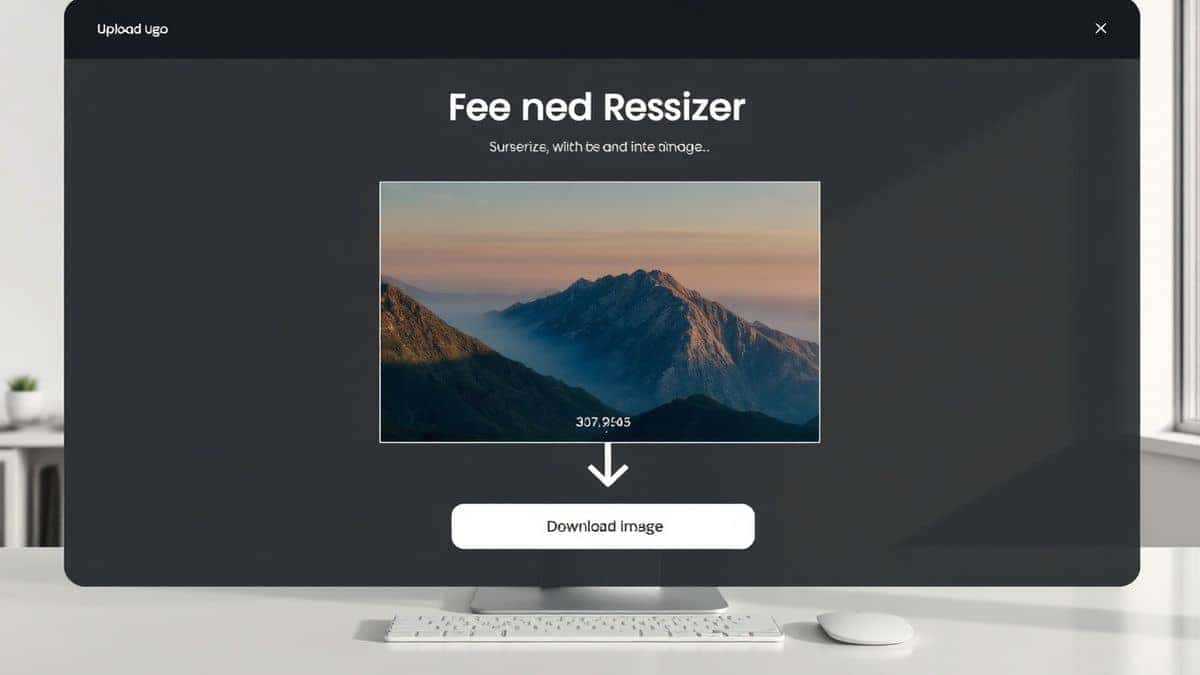
Navigate to the Tool: Open your browser and go to https://resizeon.com/social-tools/pinterest-image-resizer.
-
Upload Your Image: Click the upload area and select the photo or graphic you want to convert. It accepts common formats like JPG and PNG.
-
Select Your Dimensions: Here’s where the Pinterest image size guide for pins and boards comes into play. You can either:
- Choose the preset for "Standard Pin" (1000 x 1500 px).
- Or manually enter custom dimensions, such as 600 x 900 px for a smaller pin or 1000 x 1000 px if you need a square image for a collage.
-
Click Adjust: Hit the resize button. The tool processes the file instantly. A practical tip here is to watch the preview—make sure no important elements are being cropped out.
-
Download: Once you are satisfied, click the download button. Your new, perfectly sized pin is now saved to your device, ready to be uploaded to Pinterest with a clear conscience.
Best Practices for Pinterest Images
Knowing the size is one thing; knowing how to use that size effectively is another. Over the years, I’ve tested hundreds of pins, and these best practices have consistently delivered the best results.
1. Always Maintain the Aspect Ratio
The aspect ratio is more important than the exact pixel count. Pinterest recommends 2:3 (width to height). If you force a different ratio, you’ll either get white bars (which look unprofessional) or the image will be cropped. By using a dedicated resizer, you ensure the ratio stays locked.
2. Choose the Right Format
- JPG: Best for photographs and complex images with lots of colors. It keeps file sizes manageable.
- PNG: Best for graphics, text overlays, and logos because it preserves sharp lines and offers a transparent background.
- WebP: A modern format that offers superior compression. Some advanced tools offer this, but for most users, high-quality JPG is the safe bet.
3. Optimize for Mobile First
Over 85% of Pinterest usage happens on mobile. When I design pins, I make sure the text is large enough to be read on a phone screen without zooming in. I also keep the most important visual elements (like my face or the product) centered, as the edges can sometimes be hidden by the profile interface on the app.
4. Don't Over-Compress
We all want fast load times, but there is a trade-off. If you compress an image too much, it becomes "crunchy" or pixelated. The goal is to find the balance. In my experience, a file size between 200KB and 500KB is the sweet spot for a standard 1000 x 1500 pixel pin—good quality without being bloated.
5. Include Text Overlays
A pin is a billboard for your content. Adding a clear, bold title on the image itself (like "10 Easy Dinner Recipes") tells the user exactly what they will get. Just make sure the text layer is part of your design before you resize it, so you can control how it looks.
Common Mistakes to Avoid
Even experienced marketers slip up sometimes. Here are the pitfalls I see most often, so you can avoid them:
- Using Portrait Mode Photos Without Editing: A photo taken vertically on your phone might be 3024 x 4032 pixels. This is too tall and will be cropped significantly. You need to resize it to the proper 2:3 ratio.
- Ignoring Board Covers: Your board covers are the first thing people see on your profile. If they are all different sizes and resolutions, your profile looks messy. Use the resizer to create uniform cover images for a cohesive aesthetic.
- Forgetting to Check the Pin Later: I always check my pins on the mobile app after they go live. Sometimes, what looks good on a desktop preview looks completely different on a phone feed.
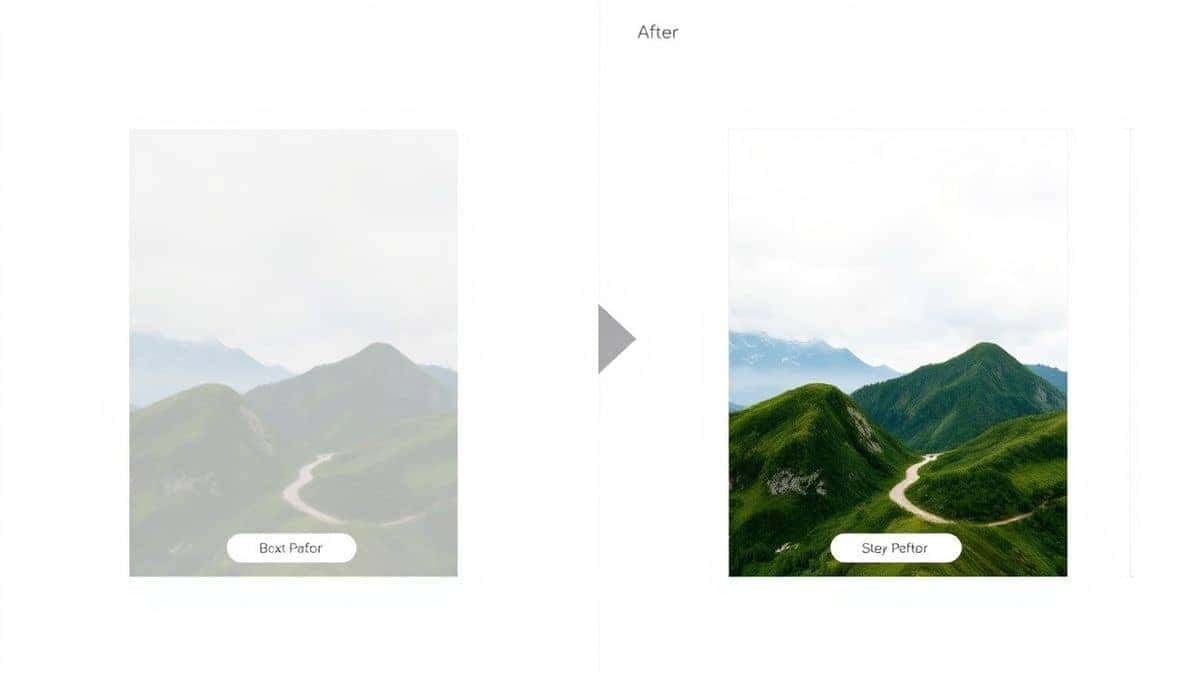
- Using Blurry Source Images: You can't fix blur with resizing. If the original photo is out of focus, resizing it will just make a bigger blurry image. Always start with a sharp, high-quality base.
Comparison with Other Tools
You might be wondering, "Can't I just use Photoshop or another free site?" You can, but here is how they stack up against a dedicated Pinterest image size guide for pins and boards online tool.
-
Adobe Photoshop:
- Pros: Ultimate control, layers, advanced editing.
- Cons: Expensive subscription, steep learning curve, heavy software, slow to open just for a quick resize.
- Verdict: Overkill for 90% of users who just need to crop and compress a pin.
-
Canva:
- Pros: Great for designing from scratch, lots of templates.
- Cons: You have to manually set the canvas size; it’s a design tool first, a resizer second. It can be slow if you're just trying to batch-resize existing photos.
-
Generic Online Resizers:
- Pros: Often free.
- Cons: Many are riddled with ads, spammy pop-ups, or have file size limits. They also might not have the specific Pinterest presets, meaning you have to memorize the Pinterest image size guide for pins and boards and enter it manually every time. I’ve also found they often degrade image quality more than specialized tools.
-
Pinterest Image Resizer:
- Pros: Free, fast, no ads, Pinterest-specific, maintains quality.
- Cons: It is specialized for resizing, not for adding text or graphics (but for that specific job, it’s perfect).
Frequently Asked Questions
What is the best size for a Pinterest pin in 2026?
The best all-around size is 1000 x 1500 pixels. This fits the recommended 2:3 aspect ratio, loads quickly, and looks sharp on both desktop and mobile feeds.
Can I use square images on Pinterest?
Yes, but they are not optimal. Square images (like 1000 x 1000) take up less vertical space in the feed, meaning they are less likely to grab attention. They work better for Idea Pins or collage-style posts rather than standard link pins.
How do I resize a Pinterest image without losing quality?
Use a dedicated resizing tool like the Pinterest Image Resizer. Avoid simply dragging the corners of an image in Word or PowerPoint, as this degrades quality. The tool uses algorithms to maintain sharpness while changing the dimensions.
What is the file size limit for Pinterest images?
Pinterest recommends keeping image file sizes under 20MB for static pins. However, for web use, aim for under 1MB to ensure fast loading on your own website.
What size are Pinterest board covers?
Pinterest displays board covers at 600 x 600 pixels. To make your profile look clean, create images at 600 x 600 px, or use the resizer to crop your existing pins to this square format for the cover image.
How do I resize multiple images for Pinterest quickly?
Currently, the best free method is to use a batch processing tool. However, if you only need a few, using the Pinterest Image Resizer one by one ensures each image gets the attention it needs for perfect cropping.
Does Pinterest prefer vertical or horizontal images?
Pinterest strongly prefers vertical images. The platform is designed for vertical scrolling, and tall images (2:3 ratio) perform significantly better than horizontal ones.
What happens if I upload an image that is too small?
If you upload an image smaller than the recommended size (like 500 x 500), Pinterest will stretch it to fit the feed. This results in a blurry, pixelated pin that looks unprofessional and attracts fewer clicks.
Conclusion
Navigating the world of social media dimensions doesn't have to be a headache. By sticking to the Pinterest image size guide for pins and boards, you remove one of the biggest barriers to success on the platform. You ensure your hard work is displayed exactly as you intended—crisp, clear, and compelling.
Remember, the goal is to make it easy for users to see your content and engage with it. Don't let incorrect sizing sabotage your marketing efforts.
For a fast, reliable, and free solution, I highly recommend using the Pinterest Image Resizer. It takes the technical guesswork out of the equation, giving you more time to focus on creating amazing content. Give it a try with your next pin, and you’ll instantly see the difference that perfect dimensions can make.