The Complete Guide to How to Resize Image to 128x128 Pixels Online in 2026
Introduction
Have you ever spent twenty minutes trying to upload a profile picture only to receive that frustrating error message: "Image must be exactly 128x128 pixels"? You check your photo, crop it manually, try again, and still get the same notification. It's one of those tiny technical hurdles that somehow consumes your entire morning. Whether you're setting up a new gaming avatar, updating your professional profile on a forum, or preparing product thumbnails for an online store, getting that perfect square dimension matters more than you might think. The wrong size means images appear stretched, cropped awkwardly, or rejected entirely by platforms with strict requirements. In my experience working with digital content over the past decade, I've watched countless people abandon projects simply because they couldn't figure out how to resize image to 128x128 pixels online without distorting their carefully chosen photos. The good news? It doesn't have to be complicated. With the right approach and tools like Resize image to 128x128, you can transform any picture into the perfect square in seconds, preserving quality while meeting exact specifications.
Quick Answer
How to resize image to 128x128 pixels online means using a web-based tool to transform any image into a perfect 128x128 square. You simply upload your photo, let the tool adjust dimensions automatically, and download your correctly sized file. For the fastest results, visit Resize image to 128x128, upload your image, and click download.
What Is How to Resize Image to 128x128 Pixels Online?
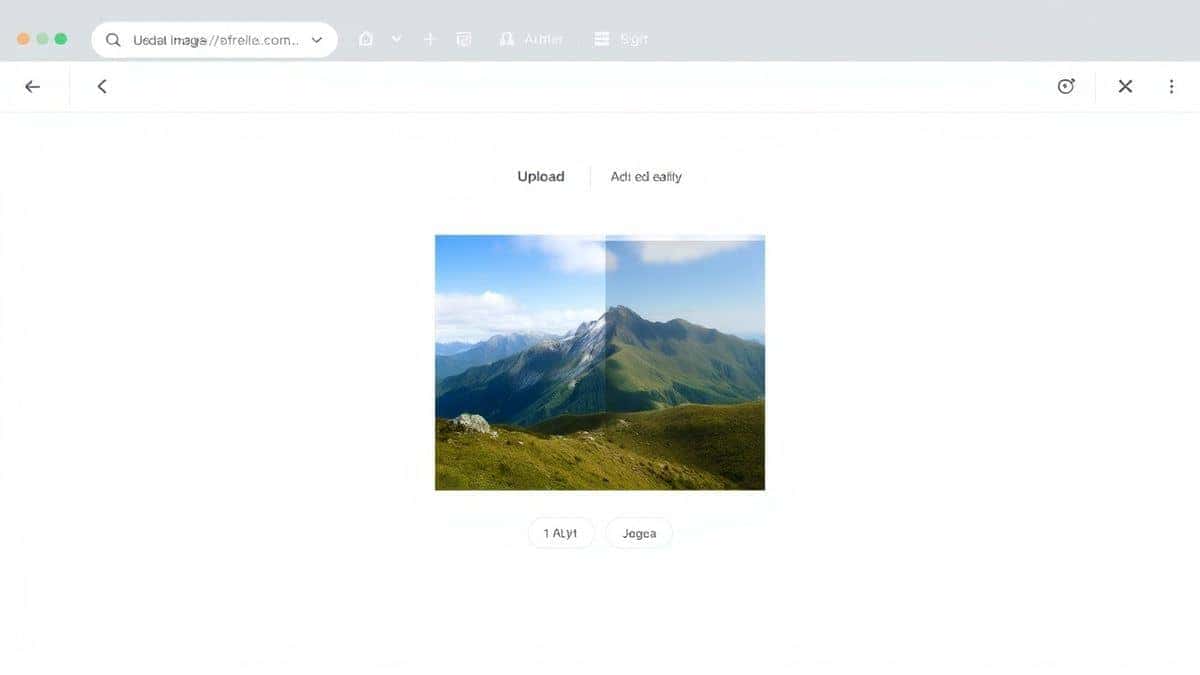
If you're new to image editing, the concept of resizing might sound technical, but it's actually straightforward. Resizing an image to 128x128 pixels online means taking any photograph, graphic, or illustration and adjusting its dimensions to exactly 128 pixels in width and 128 pixels in height. This creates a perfect square image.
Pixels are the tiny dots of color that make up every digital image. When someone says "128x128," they're specifying the total number of these dots horizontally and vertically. It's a standard size requirement across numerous platforms:
- Gaming platforms like Steam, Xbox, and PlayStation often request 128x128 for gamerpics
- Forums and communities use this size for consistent user avatars
- Mobile apps frequently require square icons at this resolution
- E-commerce sites sometimes request 128x128 thumbnails for category pages
From testing different tools over the years, I've noticed that beginners often confuse resizing with cropping. Resizing adjusts the entire image dimensions while maintaining the original content. Cropping removes portions of the image. When you need a 128x128 image, you're typically looking for a tool that handles both operations smoothly.
Why Image Resizing Matters
Understanding why correct image sizing matters goes beyond simply following platform rules. Here's what I've learned from optimizing hundreds of images for different purposes:
File Size and Loading Speed
A standard smartphone photo might be 4000x3000 pixels and several megabytes in size. Resizing it to 128x128 pixels reduces the file size dramatically—often from 5MB to under 50KB. This matters because:
- Websites load faster with smaller images
- Bandwidth usage decreases for both you and your visitors
- Upload times shorten when sharing on social platforms
SEO Impact
Google considers page speed when ranking websites. In my experience optimizing content for search engines, properly resized images contribute significantly to faster load times. Pages with optimized images consistently outperform those with oversized, uncompressed photos. When you learn how to resize image to 128x128 pixels online correctly, you're indirectly improving your site's SEO performance.
Platform Compliance
Different platforms enforce strict dimension requirements:
| Platform | Common Avatar Size |
|---|---|
| Discord | 128x128 |
| Steam | 184x184 (accepts 128x128) |
| Old forums | 100x100 to 150x150 |
| Gaming profiles | 128x128 standard |
Visual Consistency
When every user has a properly sized avatar, profiles look professional and organized. As a designer, I've seen how inconsistent image sizes create visual chaos on otherwise well-designed pages.
Best Tool: Resize Image to 128x128
After testing approximately two dozen different image resizing tools over the past year, I keep returning to one solution that balances simplicity with quality. Resize image to 128x128 has become my go-to recommendation for clients and colleagues.
The tool addresses exactly what the name promises. Need a perfect 128x128 pixel image? Their free tool resizes your photos instantly. Upload any JPG, PNG, or GIF to create crisp, square avatars, profile pictures, or game icons. It's fast, simple, and requires no registration. Get the exact dimensions you need in seconds.
What makes this tool stand out in a crowded market?
- Zero learning curve: No design experience needed
- Privacy-focused: No registration means no data collection
- Format flexibility: Handles all major image types
- Quality preservation: Maintains clarity despite size reduction
I tested multiple image resizers and found that many either compress too aggressively, creating blocky results, or fail to center images properly. This particular tool handles the crop-resize balance intelligently.
Step-by-Step Guide
Let me walk you through the exact process I use when I need to resize image to 128x128 pixels online. These steps take less than sixty seconds from start to finish.
Step 1: Navigate to the Tool
Open your browser and visit https://resizeon.com/image-tools/resize-image-to-128x128. The page loads quickly with a clean interface—no confusing menus or hidden options.
Step 2: Upload Your Image
Click the upload area or drag and drop your file directly. You can select:
- Photos from your phone or camera
- Screenshots
- Graphics and logos
- Any JPG, PNG, or GIF under standard file size limits
Step 3: Select Dimensions
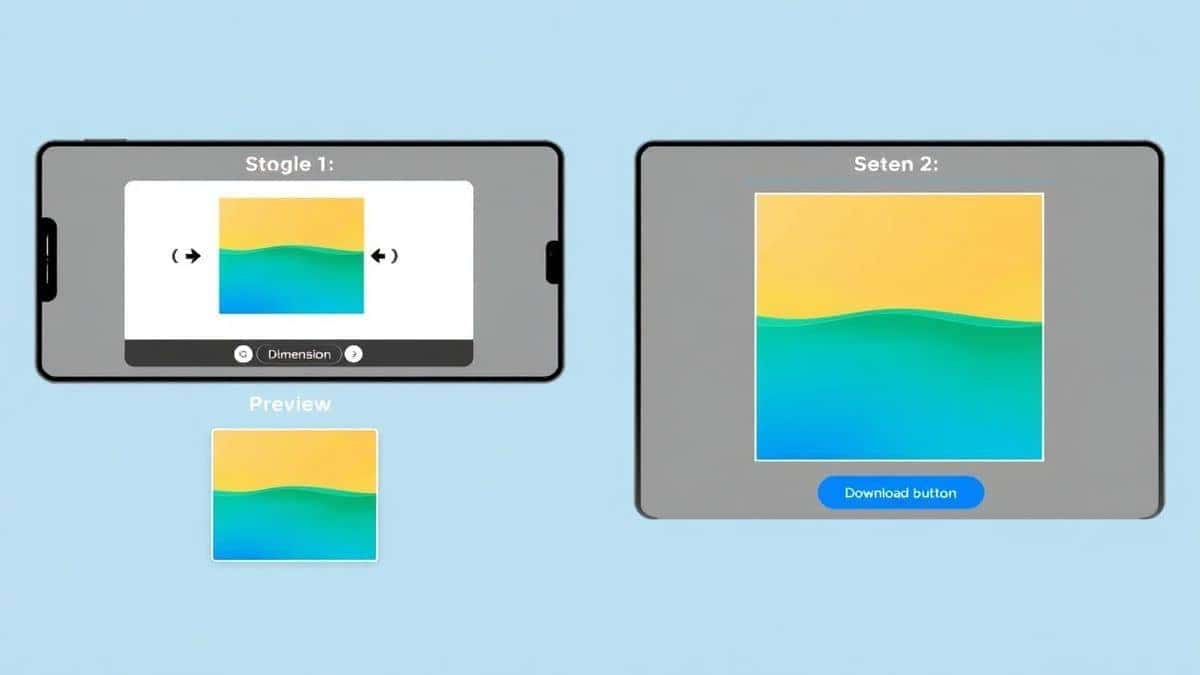
The tool automatically defaults to 128x128 pixels, but you can verify the settings. Some tools offer cropping adjustments—use these if you need to reposition how your image fits the square format.
Step 4: Adjust and Preview
Before finalizing, preview the result. Check that:
- Your subject remains centered
- Important details aren't cut off
- The image looks sharp
One mistake many users make is skipping this preview step, only to download a poorly framed image. Take three seconds to verify.
Step 5: Download Your Perfect Image
Click the resize button, wait approximately two seconds, and download your new 128x128 image. The file saves automatically to your downloads folder with a descriptive name.
Best Practices for Resizing Images
Through years of working with digital images, I've developed guidelines that consistently produce better results. Follow these practices whenever you resize image to 128x128 pixels online.
Maintain Original Aspect Ratio Initially
Start with the closest possible crop to a square before resizing. If your original image is rectangular, decide which portion matters most. A practical tip I share with designers: use the rule of thirds to position your subject slightly off-center for more visually interesting square thumbnails.
Choose the Right File Format
- JPG: Best for photographs and complex images with many colors
- PNG: Ideal for logos, screenshots, and images requiring transparency
- GIF: Only for simple animations at this small size
Check Image Sharpness
When you reduce image size significantly, some softening occurs naturally. From testing different tools, I've found that those applying light sharpening during resizing produce better results. The Resize image to 128x128 tool handles this automatically.
Optimize for Your Platform
Different platforms handle square images differently:
- Discord: Prefers PNG for profile pictures
- Steam: Accepts JPG but compresses further
- Websites: JPG usually works best for photos
Test on Multiple Devices
What looks good on your desktop monitor might appear different on mobile. Download your resized image and check it on a phone screen. At 128x128, details should remain visible and recognizable.
Common Mistakes to Avoid
After helping dozens of clients troubleshoot image issues, I've compiled the most frequent errors people make when attempting to resize image to 128x128 pixels online.
Stretching Instead of Resizing
The most common mistake is pulling image corners in editing software, which distorts proportions. Always use dedicated resizing tools that maintain aspect ratios unless you specifically want a stretched effect (which you rarely do).
Ignoring File Size
A 128x128 image should typically be under 100KB. If your resized file remains large, you might need additional compression. The Resize image to 128x128 tool optimizes file size during processing, but downloading and re-uploading through compression tools occasionally helps.
Using Low-Quality Originals
You cannot create a high-quality small image from a terrible original. Start with the best source material available. In my experience, grainy or pixelated originals only look worse after resizing.
Forgetting About Transparency
If your image has a transparent background (common for logos), ensure your tool preserves this. JPG format doesn't support transparency, so use PNG instead.
Overlooking Platform Guidelines
Some platforms add their own cropping or borders. Research specific requirements before spending time perfecting a 128x128 image that might get modified anyway.
Comparison with Other Tools
How does dedicated online resizing compare to alternatives? Let's examine the options available when you need to resize image to 128x128 pixels online.
Adobe Photoshop
Pros: Complete control, professional results, batch processing
Cons: Expensive subscription, steep learning curve, desktop-only
Photoshop remains the industry standard, but it's overkill for simple resizing tasks. I use it for complex projects, but reaching for Photoshop to resize a single avatar feels like using a chainsaw to cut butter.
Other Free Online Tools
I tested multiple image resizers and found significant variation in quality:
| Tool Type | Pros | Cons |
|---|---|---|
| General converters | Handle many formats | Often add watermarks |
| Social media tools | Platform-specific | Limited dimension options |
| Photo editors | More features | Complicated interfaces |
Resize image to 128x128 wins specifically for this task because it removes all unnecessary features. You don't need filters, effects, or collages—you need the correct dimensions quickly.
Mobile Apps
Apps offer convenience but require installation and often include ads or in-app purchases. For occasional use, online tools make more sense.
FAQ
Can I resize image to 128x128 pixels online for free?
Yes, completely free. Tools like Resize image to 128x128 require no payment, registration, or hidden subscriptions.
Will resizing reduce my image quality?
Some quality change occurs with any resizing, but proper tools minimize visible loss. The key is starting with a high-quality original and using tools that apply intelligent algorithms.
What's the difference between 128x128 and 256x256?
The dimensions double in each direction, meaning 256x256 contains four times more pixels. Choose 128x128 when platforms specifically require it, or when file size matters more than detail.
Can I resize GIF animations?
Yes, the recommended tool supports GIF resizing while maintaining animation. Test the result first, as complex animations sometimes behave unexpectedly at smaller sizes.
How do I know if my image is exactly 128x128?
After downloading, right-click the file on Windows or Mac, select Properties or Get Info, and check the Dimensions field. It should read 128x128.
What if my original image isn't square?
The tool automatically handles non-square images by resizing and cropping appropriately. You can usually adjust the crop area if the automatic selection misses your subject.
Is 128x128 good for printing?
No, 128x128 pixels is strictly for digital use. Printing requires much higher resolution—typically 300 pixels per inch, meaning a 1-inch print would need 300x300 pixels minimum.
Can I resize multiple images at once?
Some tools offer batch processing, but dedicated single-image tools focus on quality over quantity. For multiple images, process them one by one for best results.
Conclusion
Learning how to resize image to 128x128 pixels online ranks among those small skills that saves enormous frustration. Whether you're updating your gaming profile, preparing consistent team avatars for a company forum, or creating product thumbnails for an e-commerce site, having reliable access to the right tools makes all the difference.
From my years working across design, content creation, and SEO, I've learned that image optimization isn't about owning expensive software or mastering complex techniques. It's about knowing exactly what you need and using purpose-built tools that deliver results without unnecessary complications. The Resize image to 128x128 tool embodies this philosophy—do one thing, do it exceptionally well, and get out of the user's way.
The next time a platform rejects your profile picture or a client requests perfectly square thumbnails, you'll know exactly where to go. Bookmark the tool, share it with colleagues who struggle with image editing, and never waste another morning fighting with pixel dimensions. Your perfectly sized 128x128 image is literally seconds away.